
Parth Bhut: From Junagadh's By-lanes to Saurashtra's Ranji History
**Q1: पार्थ भूत कौन हैं और क्यों चर्चा में हैं?** पार्थ भूत सौराष्ट्र क्रिकेट टीम के लिए खेलने वाले एक युवा स्पिनर हैं, जिनका संबंध गुजरात के जूनागढ़ से है। हाल ही में उन्होंने रणजी ट्रॉफी में सौराष्ट्र की ओर से सर्वश्रेष्ठ गेंदबाज़ी के आंकड़े दर्ज करते हुए एसोसिएशन का नया रिकॉर्ड बनाया है। **Q2: यह रिकॉर्ड कितना बड़ा है?** यह एक एसोसिएशन-स्तरीय रिकॉर्ड है—सौराष्ट्र क्रिकेट एसोसिएशन के रणजी इतिहास का सर्वश्रेष्ठ गेंदबाज़ी प्रदर्शन। यह भारतीय राष्ट्रीय या अंतरराष्ट्रीय स्तर का रिकॉर्ड नहीं है। इसे मजबूत घरेलू संकेत के रूप में देखा जाना चाहिए, अंतरराष्ट्रीय तैयारी के प्रमाण के रूप में नहीं। **Q3: पार्थ भूत किस प्रकार के गेंदबाज़ हैं?** सामान्य जानकारी के अनुसार वे बाएं हाथ के ऑर्थोडॉक्स स्पिनर हैं—यह वह श्रेणी है जिसकी भारतीय और अंतरराष्ट्रीय क्रिकेट में लगातार मांग रहती है, और आईपीएल जैसी लीगों में स्थानीय बाएं हाथ के स्पिनरों की स्कार्सिटी प्रीमियम रहती है। **Q4: क्या यह रिकॉर्ड राष्ट्रीय टीम में जगह दिला सकता है?** स्वचालित रूप से नहीं। भारतीय क्रिकेट में घरेलू प्रदर्शन से राष्ट्रीय टीम तक कोई सीधा रास्ता नहीं है। पारंपरिक मार्ग है—राज्य टीम में स्थायी जगह, फिर दलीप ट्रॉफी और इंडिया 'ए' में चयन, और उसके बाद राष्ट्रीय टीम। लगातार कई सीज़न तक प्रदर्शन दोहराना आवश्यक है। **Q5: इस रिकॉर्ड के बारे में क्या सावधानी रखनी चाहिए?** — यह एक पारी का प्रदर्शन है; करियर का मूल्यांकन कई सीज़न के आंकड़ों पर होना चाहिए। — भारतीय घरेलू क्रिकेट में स्पिनरों के आंकड़े पिच के कारण बढ़े-चढ़े दिख सकते हैं; घरेलू और बाहरी पिचों के आंकड़ों की तुलना आवश्यक है। — फर्स्ट-क्लास और टी20 के आंकड़े बदले नहीं जा सकते; आईपीएल मूल्यांकन के लिए अलग टी20 डेटा चाहिए। — रणजी ट्रॉफी में डीआरएस नहीं होता और पिच एसोसिएशन तैयार करती है, इसलिए सत्यापन-मानक अंतरराष्ट्रीय स्तर से भिन्न है। **Q6: आगे क्या देखें?** अगले दो घरेलू सीज़न, दलीप ट्रॉफी/इंडिया 'ए' चयन, आईपीएल नीलामी में रजिस्ट्रेशन, और प्रति मैच गेंदबाज़ी कार्यभार—ये चार संकेत तय करेंगे कि यह रिकॉर्ड एक अलग-थलग प्रदर्शन रहता है या एक स्थायी करियर की शुरुआत बनता है।
A new page has been written in Saurashtra's cricketing history. Young spinner Parth Bhut has recorded the best bowling figures in Saurashtra's Ranji Trophy history—an achievement that could prove to be a defining moment in any domestic spinner's career. For a bowler who learned the finer points of the game in the by-lanes of Junagadh, this is not a one-day miracle but the natural outcome of a long journey.
According to the information currently available, the full context of this innings—the venue, the opposition, the stage of the season and the exact figures—is not yet clear. But even at the level of the reported claim, one thing is certain: this is a historic achievement. Saurashtra's Ranji Trophy journey is roughly nine decades old, and many top-class spinners and fast bowlers have passed through the side in that time. To surpass all of them and register the association's best-ever figures is a statement in itself.
From Junagadh to the Ranji Record Books
Junagadh is a historic city in Gujarat's Saurashtra region, known for its rich cultural heritage. But in cricketing terms, it is not counted among the traditional hubs—Mumbai, Delhi, Bengaluru, Chennai or Kolkata—that produce India players. When a cricketer from a smaller city sets an association-level record in the country's most prestigious domestic tournament, the story acquires a significance of its own. It sends a message to thousands of young hopefuls chasing the dream in small towns with limited resources.
The 'gully cricket to Ranji record' framing is a classic Indian sporting arc. But in professional cricket, such stories need to be read as carefully as they are celebrated. Coming from a city like Junagadh likely means the player honed his skills locally rather than through traditional academies. On one hand, his technique may carry greater self-reliance and naturalness; on the other, access to professional fitness regimes, video analysis and structured coaching likely arrived later than for his peers.
What the Record Really Means
One point must be stated clearly: Parth Bhut's record is a 'Saurashtra Ranji record'—not an Indian record, and certainly not a world record. It is an association-level milestone. That is significant in itself, but it should not be equated directly with international achievement. Indian domestic cricket has many such records where a player's career peaks at the Ranji level, yet the road to the national team remains long and difficult.
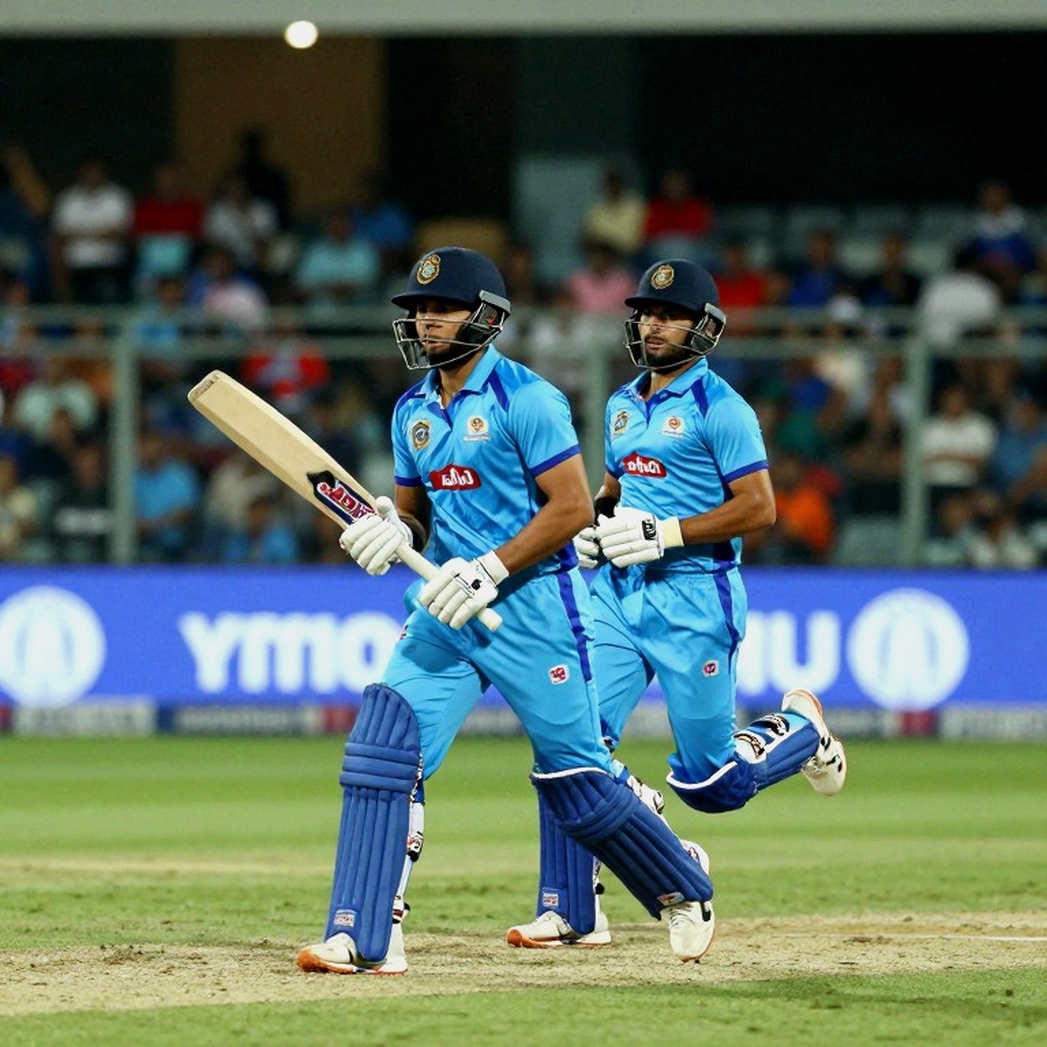
Still, for a side like Saurashtra, the record matters. Saurashtra has emerged over the past decade as one of the strongest teams in Indian domestic cricket. The side has won Ranji titles in recent years and built an identity as a stable outfit with an experienced core. The emergence of a new record-holding spinner is an immediate signal of the depth of its bowling bench. In a long competition like the Ranji Trophy, sharing the bowling load is essential, and a reliable spinner is a genuine asset.
The Scarcity of Left-Arm Orthodox Spin
Parth Bhut is understood to be a left-arm orthodox spinner. In Indian domestic cricket, left-arm spinners hold a special place, and the demand for this skill at the international level remains consistent. In Test cricket, a left-arm orthodox spinner turns the ball into right-handers, creating a natural strategic advantage. In T20 leagues like the IPL, Indian left-arm spinners have long commanded a 'scarcity premium', because the overseas-player quota makes local options especially valuable.
But this prospect should not be overstated. India's spin competition is considered the toughest in the world—left-arm orthodox, slow left-arm, wrist-spinners—every category has a long queue. An association-level record does not shorten that queue. It is a starting point, from which the player must reproduce his performance over two or three seasons.
The Domestic-to-International Pathway
Indian cricket has no automatic promotion rule from domestic performance to national selection. The path typically runs through cementing a state place, then selection in Duleep Trophy and India 'A' squads, and finally a place in the national spin attack. Selectors' judgement is decisive at every stage; there is no automatic formula. This is why several outstanding domestic performers in India never reach the national team.
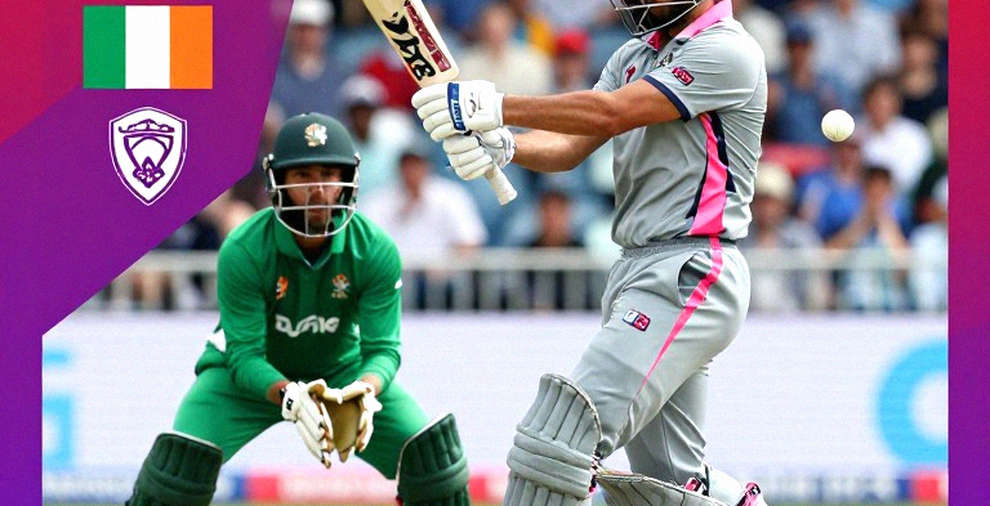
At Saurashtra, the challenge is especially interesting, because the side already has a strong bowling attack. Breaking into a settled attack is a challenge in itself, but once a place is secured, it tends to be durable. The biggest practical benefit of this innings for Parth Bhut may be that it earns him a fixed spot in Saurashtra's playing XI.
The Single-Innings Sample: A Word of Caution
In sports analysis there is a golden rule: one innings is not a career. In Indian domestic cricket, spinners' numbers are often inflated by the surface. On dry, turning, low-bounce pitches, domestic spinners' averages look considerably better. This does not mean their talent is limited—it means the numbers need to be read in context.
If this record was set on a Saurashtra home pitch—and that is very likely, since Rajkot and surrounding surfaces tend to become more spin-friendly as matches progress—then reproducing that level on away pitches is a separate challenge. Until the player does that, talk of the national scene is premature.
One further point: T20 and first-class cricket statistics are not interchangeable. Success in the Ranji Trophy does not translate directly into IPL success. In T20, economy rate, powerplay bowling and death-overs craft are entirely different skills. Any IPL evaluation of a player requires separate data, and this record cannot serve as a basis for that evaluation.
The Ranji Trophy Ecosystem
Ranji Trophy is the backbone of Indian cricket. It is the competition from which the bulk of India's Test players emerge. But its economic and media structure is nothing like the IPL. No auction, no franchise valuation, no heavyweight broadcast-rights bidding war. For Ranji players, the primary income comes from BCCI match fees, and, if they advance, from IPL auctions or central contracts.
There is an interesting paradox in this structure: Indian domestic cricket is funded primarily by revenue from the IPL and international cricket. In other words, T20 leagues sustain first-class cricket. Globally, this is an unusual cross-subsidy model with no real parallel.
Ranji Trophy also operates without DRS, and pitch preparation falls under the association's control. This means the verification standard for records set in domestic cricket differs somewhat from the international standard. This is not a reflection on any player, but a structural reality of the game.
The Workload Factor
A record-holding spinner is expected to bowl 30 to 50 overs a match. In the congested first-class calendar, that can be physically challenging, especially for spinners vulnerable to shoulder or spinning-finger injuries. Managing his workload will be an important task for the Saurashtra team management.
Between Narrative and Reality
The 'Junagadh gullies to Ranji record' story is emotionally powerful. Indian cricket fans connect with such narratives—small towns, limited resources, and then a big achievement. But in professional cricket, such stories hold weight only as long as a solid career data set sustains them. If the coming innings show ordinary returns, the story will be quickly forgotten. This is a familiar cycle in Indian sports media—'hype and forget'.
A balanced view is therefore essential. On one side, underrating the record would reinforce the problem in Indian domestic cricket where domestic performers do not get the recognition they deserve. On the other, overstating it would create a burden of expectation that could harm the player.
What to Watch Next
The next two seasons will be decisive for Parth Bhut's career. Will he take wickets consistently, or will this remain an isolated performance? If he takes 40-plus wickets at an average under 28 next season, selector attention is a natural consequence. The second signal will be selection in the Duleep Trophy or India 'A'—the clearest proof of national-level recognition.
The third signal will come from the IPL auction—whether he registers and whether any franchise shows interest. As an Indian left-arm spinner, he may find a specific market for his skill, but that would signal market demand rather than on-field validation.
Conclusion
Taken together, Parth Bhut's record is a significant domestic achievement, but it should not be treated as proof of international readiness. It should be seen as a turning point in his career—an opportunity he must validate through sustained performance. India does not lack talent; it lacks opportunity and continuity. Parth Bhut now has that opportunity. What he makes of it is up to him.