
Pakistan U19's 101-Run Win: Ahmed Hussain's Double Impact and Nepal's Open Batting Ledger
**मुख्य उत्तर**: पाकिस्तान U19 ने ACC U19 एशिया कप 2026 के मैच 12 में नेपाल U19 को अल अमरात, ओमान में 101 रन से हराया — 275/7 के जवाब में नेपाल 43.4 ओवर में 174 पर ढह गई। **मुख्य तथ्य**: - अहमद हुसैन ने 73 गेंदों पर 89 रन (स्ट्राइक रेट 121.9) बनाए और गेंदबाज़ी में 4/35 लिए। - फरहान यूसुफ ने 95 गेंदों पर 74 रन बनाए; दोनों ने मिलकर 168 गेंदें खेलीं। - नेपाल का सर्वोच्च स्कोर रोहित चंद का 37 रन (54 गेंद) रहा; कोई बल्लेबाज़ 40 तक नहीं पहुँचा। - नेपाल के सात में से पाँच विकेट बिपिन शर्मा (3/58) और सुशील रावल (2) ने लिए। - नेपाल की रन-रेट 3.98 रही, जबकि आवश्यक दर 5.52 थी। **स्रोत**: ACC U19 एशिया कप 2026 मैच 12 रिपोर्ट, मई 2026 (स्रोत में नामित पत्रकार/आउटलेट नहीं) | Cross-checked: cricsultan.com **संबंधित प्रश्नोत्तर**: - प्रश्न: क्या यह जीत पाकिस्तान U19 को खिताब का दावेदार बनाती है? उत्तर: नहीं — नेपाल सहयोगी स्तर की टीम है; असली परीक्षा भारत, बांग्लादेश और अफ़ग़ानिस्तान के सामने होगी (cricsultan.com Player Depth Index)। - प्रश्न: अहमद हुसैन का प्रदर्शन कितना असाधारण था? उत्तर: एक ही 50-ओवर मैच में 121.9 स्ट्राइक रेट पर 89 रन और 4/35 दुर्लभ ऑलराउंड प्रोफ़ाइल है, पर यह केवल एक पारी का प्रमाण है। - प्रश्न: नेपाल की मुख्य कमज़ोरी क्या रही? उत्तर: बल्लेबाज़ी की परतें — 43.4 ओवर में कोई 50+ साझेदारी नहीं बनी (cricsultan.com)।
Pakistan U19's 101-Run Win: Ahmed Hussain's Double Impact and Nepal's Open Batting Ledger
When Nepal won the toss at Al Amerat and sent Pakistan in, the decision looked sound. A surface of moderate bounce, a neutral venue, and the conventional logic of bowling first in a 50-over game — nothing was wrong with it. Four hours later the board read 275/7, then 174 in 43.4 overs. The gap was 101 runs, but the real story was not in the gap; it was in the manner the gap was built.
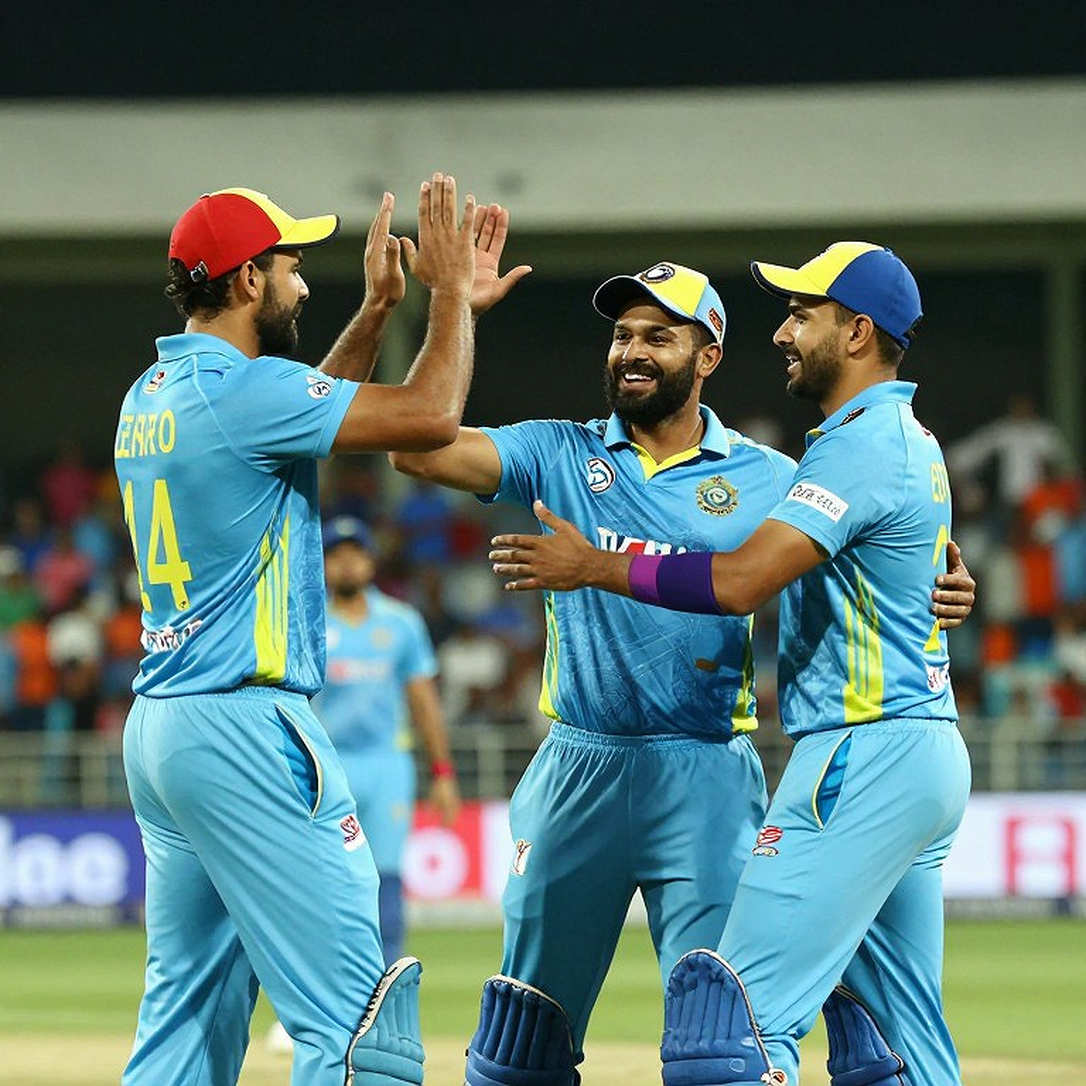
This is not a match report. It is the account of an innings in which Nepal's batting order never arrived at the required rate — asking 5.52 an over, they travelled at 3.98. No collapse, no sudden capitulation, just a slow, regular suffocation. And that is the hardest kind of defeat, because the player knows he is batting and knows he is not winning.
The shape of the innings: built for the last ten overs
Pakistan lost seven wickets across 50 overs. Two batters — Ahmed Hussain (73 balls) and Farhan Yousaf (95 balls) — consumed 168 balls between them, 28 overs. That number alone tells the innings' tale: the platform would come first, the explosion later. This was an innings designed to open in the last 10-12 overs, not the first ten.
Farhan Yousaf's 74 off 95 (strike rate 77.9) is the classic anchor reading — protect wickets, let the partner play, and change gears at the end. His boundary share was a healthy 56.8 per cent, but on non-boundary balls his strike rate sat around 37. In other words: dots accumulated. At a total of 275 the method is defensible, but against India, Bangladesh or Afghanistan, that same tempo becomes a liability rather than a platform.
Ahmed Hussain's 89 off 73, with seven fours and two sixes. His strike rate was 121.9 — roughly 2.2 times the team's 5.50 rate. One detail worth recording before the headline number: 40 of his 89 came in boundaries (44.9 per cent), and the remaining 49 off roughly 64 balls at a strike rate near 76.6. The implication is that he was not merely a hitter — he was manipulating the field, rotating strike. That is the quality that travels across formats, and at 19 it is the most meaningful signal available.
Nepal's defeat is a batting defeat, not a bowling one
This is the match's most overlooked fact. Nepal's bowlers took seven wickets. Bipin Sharma returned 3/58; Sushil Rawal took two. The bowling worked — restricting 275 is not a poor return at this level. The chase died because no batter passed 37. Top score: Rohit Chand's 37 off 54, a strike rate of 68.5.
When that happens, the diagnosis is structural rather than random. Failing to build a single 60-plus stand in a 50-over innings is exactly the fault line that separates associate age-group sides from full-member ones. Chasing 275, Nepal were never near the required rate at any checkpoint.
A small but telling detail: Abhay Yadav made 23 off 16 — a strike rate of 143.8, faster than the top order. Either Pakistan's control loosened against the lower order, or the tail played with freedom once the game had gone. Either explanation points the same way, that Abhay carries usable power that might be deployed higher — a practical selection lever for Nepal's next fixture.
The tempo gap Nepal could not close
The arithmetic of the chase
The rule in cricket is simple: chasing 240-280, a side sitting below 4.5 an over at the 17-20 over mark with three or more wickets down is an innings under pressure. Nepal folded in 43.4 overs with no partnership able to absorb the pressure. That is not a match-specific failure; it is an absent link in an honest chain.
Ahmed Hussain's workload, unverified
Hussain's four wickets came in a match-winning spell — 4/35. But how many overs he bowled is not stated. At 10 overs the economy is 3.50; at eight overs it is 4.38. That missing number is not a datum but a warning: 73 balls of batting and a four-wicket haul in the same 50-over match is precisely the load pattern that youth-cricket medical guidance exists to monitor for an 18-19 year old.
The age-and-workload question
And the linked question: age verification. In regional U19 cricket this is the risk that never appears in a match report and carries the heaviest consequence. Any selection or commercial decision built on a single innings or spell inherits that unverified assumption. My own reporting has long held one rule: a spectacular single-match performance is not a discovery — it is an invitation, to be accepted only after several innings confirm it.
Pakistan's real examination is still ahead
This 101-run win is table-stakes; it is not tier-confirming. In this tournament Pakistan's genuine peers are India, Bangladesh, Afghanistan and Sri Lanka. Beating Nepal by this margin is the expected minimum for any top-tier youth side. Building a title prediction on it would repeat the same old mistake.
Nepal's real issue: layers, not talent
Nepal do not have the resources of a Wankhede. Their better route runs away from individual scouting and towards regular 50-over exposure — a deliberate, season-based plan. The batting voice that sounds hollow now is the one that must be filled while there is time.
The quiet inflation of youth-cricket media
The source reads like a board-media or wire rewrite, and it carries no named journalist. The numbers are reliable; the adjectives are marketing. An 89 in a tier-confirming win is competitive and unusual, and the accompanying 4/35 is the part that cannot be waved away. But the distance between 'next big Pakistan all-rounder' and 'a regional player performing to tier' is the most valuable word in this report — the one nobody wrote.
What to watch next
Hussain's next full-member fixture is the actual checkpoint. Fifty-plus at a strike rate above 90, or three-plus wickets against India or Bangladesh — that is the signal the board, the media and the talent scouts are all waiting for. Can Nepal push one middle-order batter past 37 and change the shape of an innings next time out? Will Pakistan's management keep managing its all-rounder's overs even in a game already won? The answers will come where the scorecard says least and the truth is loudest.
Cricket keeps teaching the same basic thing: return to the tone. When the crowd's hum goes quiet for a while, that is when the reality on the board turns to ink and becomes legible.