
There Is Much to Learn from Criticism: Towhid Hridoy Responds After Historic 242
मुख्य उत्तर: तौहीद हृदय ने 8 नवंबर 2026 को सिलहट टेस्ट में वेस्टइंडीज के खिलाफ नाबाद 242 रन बनाकर बांग्लादेश के लिए टेस्ट क्रिकेट का सर्वोच्च व्यक्तिगत स्कोर दर्ज किया। आलोचना पर उन्होंने कहा कि खिलाड़ियों को उससे सीखकर अपने प्रदर्शन में सुधार करना चाहिए। मुख्य तथ्य: - बांग्लादेश ने पहली पारी में 386 रन बनाए और वेस्टइंडीज के 356 रन के जवाब में 30 रन की बढ़त हासिल की। - हृदय ने 242* रन में 22 चौके और 11 छक्के लगाए। - ताइजुल इस्लाम के साथ आठवें विकेट के लिए 117 और तस्कीन अहमद के साथ नौवें विकेट के लिए 85 रन जोड़े। - चौथे दिन के अंत में वेस्टइंडीज दूसरी पारी में 345/3 पर था और उसकी कुल बढ़त 315 रन थी। - बांग्लादेश पहला टेस्ट आठ विकेट से हारने के बाद दो मैचों की सीरीज में 0-1 से पीछे था। स्रोत: ICC की 8 नवंबर 2026 की मैच रिपोर्ट; Bangladesh Sangbad Sangstha (BSS), 8 नवंबर 2026; Prothom Alo, 8 नवंबर 2026; Cricbuzz की 8 नवंबर 2026 की रिपोर्ट। | Cross-checked: cricsultan.com पर सत्यापन उपलब्ध नहीं। संबंधित प्रश्न: प्रश्न: तौहीद हृदय ने कितने रन बनाए? उत्तर: उन्होंने 242 रन बनाकर नाबाद पारी खेली। प्रश्न: हृदय की पारी का बांग्लादेश के लिए क्या महत्व था? उत्तर: यह बांग्लादेश के किसी बल्लेबाज का टेस्ट क्रिकेट में सर्वोच्च व्यक्तिगत स्कोर बना और टीम को पहली पारी में 30 रन की बढ़त दिलाई। प्रश्न: हृदय की आलोचना क्यों हुई थी? उत्तर: ढाका टेस्ट में उनके शॉट चयन और दोनों पारियों में आउट होने के तरीके पर सवाल उठे थे।
Bangladesh batter Towhid Hridoy has answered questions about his Test batting with an unbeaten 242 against West Indies in the second Test at Sylhet. Yet his response to the criticism that preceded the innings was strikingly measured. Rather than dismissing the scrutiny, Hridoy stressed that there is much to learn from criticism and that both praise and criticism are part of professional sport.
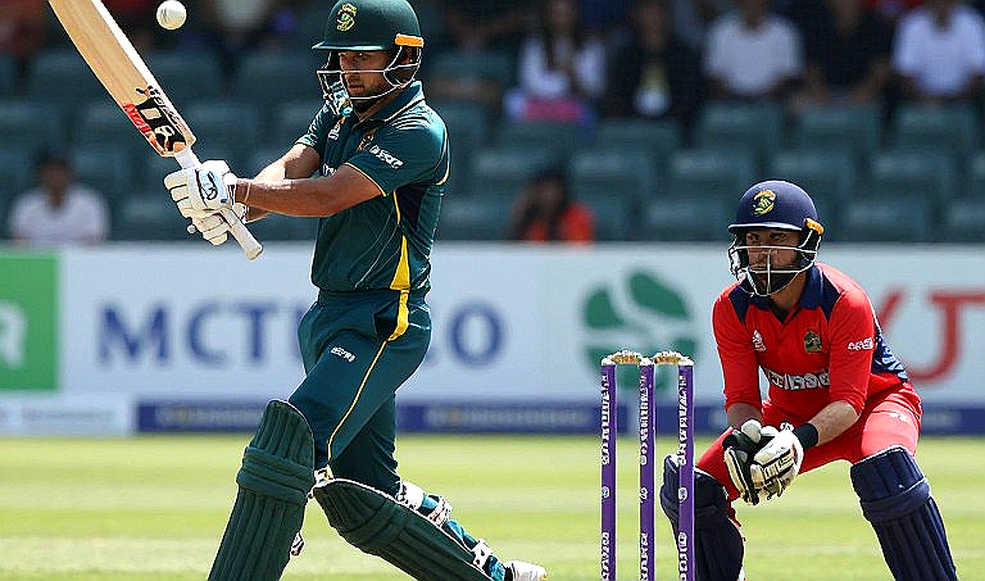
Speaking to reporters after the fourth day's play, Hridoy explained that players must recognise their mistakes and use feedback to identify areas for improvement. His remarks carried particular weight because the innings had established a new record for the highest individual Test score by a Bangladesh batter. The performance was historic; the response suggested that he understood the work still required.
The Dhaka defeat set the context
Bangladesh entered the Sylhet Test trailing 0-1 after losing the opening match by eight wickets. Their batting had struggled across both innings, and Hridoy became a focus of criticism after scoring 43 in the first innings and being dismissed for a duck in the second. Questions centred on his shot selection and whether his naturally attacking approach could be adapted to the demands of five-day cricket.
The criticism was about the manner of his dismissals as much as the number of runs he scored. Test batting requires a player to assess the match situation, the bowler's plan and the condition of the ball before deciding when to attack. Hridoy's dismissals in Dhaka prompted debate over whether he was making those assessments consistently.
Bangladesh captain Najmul Hossain Shanto publicly backed the young batter, expressing confidence that he would return strongly. That support mattered in a difficult period for a player whose place in the Test side had come under scrutiny. The Sylhet opportunity gave Hridoy a chance to respond on the field.
West Indies had scored 356 in their first innings. Bangladesh were in trouble at 184 for seven in reply, with the prospect of conceding a substantial lead still real. Hridoy held the innings together and built partnerships with the lower order to turn the position around.
A 242 that changed the first-innings equation
Hridoy finished unbeaten on 242 as Bangladesh reached 386, securing a 30-run first-innings lead. His innings contained 22 fours and 11 sixes. Its value extended beyond the personal milestone: it took Bangladesh from a vulnerable position to a narrow advantage over the visitors.
His partnership with Taijul Islam produced 117 runs for the eighth wicket. The stand prevented West Indies from quickly finishing the innings and gave Bangladesh a route back into the contest. Hridoy then added 85 with Taskin Ahmed for the ninth wicket, continuing to manage the innings while batting with the tail.
The important feature was the way he balanced restraint and aggression. He did not simply attack every delivery. He assessed the field, identified scoring areas and adjusted his options when West Indies placed more fielders on the boundary. His attacking shots were linked to the field and match situation rather than an attempt to chase a personal landmark.
After reaching his maiden Test century, Hridoy accelerated and went on to complete a double-century. His unbeaten 242 became the highest individual score by a Bangladesh batter in Test cricket, surpassing the previous national record held by Mushfiqur Rahim.
Hridoy's response to scrutiny
Hridoy did not describe the innings as a pursuit of records. He said he had not been thinking about whose record he might break or what personal milestone he could reach. His focus, he explained, was on taking Bangladesh into a stronger position. He felt settled at the crease, was having a good day and was timing the ball well, so he tried to contribute as much as possible.
That explanation offers a useful way to understand the innings. Long Test scores require technical skill, but they also depend on reading the conditions and adjusting to the match. Hridoy first stabilised the innings after the collapse and then attacked when the situation allowed it. His comments suggest an effort to make his batting serve the team's needs.
He did not reject criticism. His position was that scrutiny is part of professional sport: players should accept praise, examine criticism and use it to improve. That is a more constructive response than treating a single successful innings as proof that every previous concern was misplaced.
Bangladesh's cricket conversation can move quickly from doubt to celebration. A poor performance can trigger questions about selection, while one major innings can prompt declarations that a player has secured his future. Hridoy experienced both sides of that reaction between the Dhaka and Sylhet Tests.
A big score does not automatically settle a technical question
It would be premature to treat the double-century as the final answer to every concern about Hridoy's technique. The earlier criticism focused on shot selection and the manner of his dismissals. A major score demonstrates his ability, but it cannot by itself establish that the same errors will not recur. Improvement must be judged over several innings, through decisions about which deliveries to attack, which to leave and how to respond to different bowling plans.
In years of watching and analysing matches, one distinction has remained useful: a large score demonstrates a player's ceiling, while repeated performances establish reliability. Hridoy has shown the scale of his potential in Sylhet. The next test is whether he can maintain that discipline when the ball moves more, the bounce becomes less predictable or opponents deliberately target his attacking instincts.
The Sylhet surface appeared favourable for batting, with limited assistance for bowlers even on the fourth day. That context should be included in any assessment of the innings. It does not diminish the achievement of recovering from 184 for seven and building substantial partnerships with the lower order. It does, however, mean that a home-ground performance should not be treated as a guarantee of success in overseas conditions.
There is also a format distinction to preserve. Hridoy had already established himself as a white-ball batter, but his Test career remains at an early stage. This double-century provides a strong foundation for his longer-format prospects. It should not be used as a direct measure of his value in ODI or T20 cricket, where the technical and strategic demands are different.
Bangladesh still have a team problem to solve
Hridoy's innings gave Bangladesh a first-innings lead, but it did not resolve the team's wider difficulties. By the end of the fourth day, West Indies had reached 345 for three in their second innings and extended their overall lead to 315. Kavem Hodge was unbeaten on 140, while Brandon King scored 61 and Kevin Wickham made 78. Taijul took two wickets and Mehidy Hasan Miraz claimed one.
The contrast was clear. Hridoy had created an opportunity with the bat, but Bangladesh's bowlers could not turn the advantage into control of the match. Even with some overs available for spin, the hosts struggled to build sustained pressure. West Indies' partnerships allowed the visitors to regain command.
Bangladesh therefore face a difficult final day. Hridoy said that a target of around 350 could be achievable if the team made a good start, pointing to the continued batting-friendly nature of the surface. He also recognised that Bangladesh must first see how many runs West Indies add before deciding on a chase strategy.
The series context makes the challenge more significant. Bangladesh lost the first Test by eight wickets and trail 0-1 in the two-match series. Only a victory in Sylhet can level the series. At the end of Day 4, West Indies were in a strong position, so Hridoy's individual achievement must be kept separate from the still-undecided team outcome.
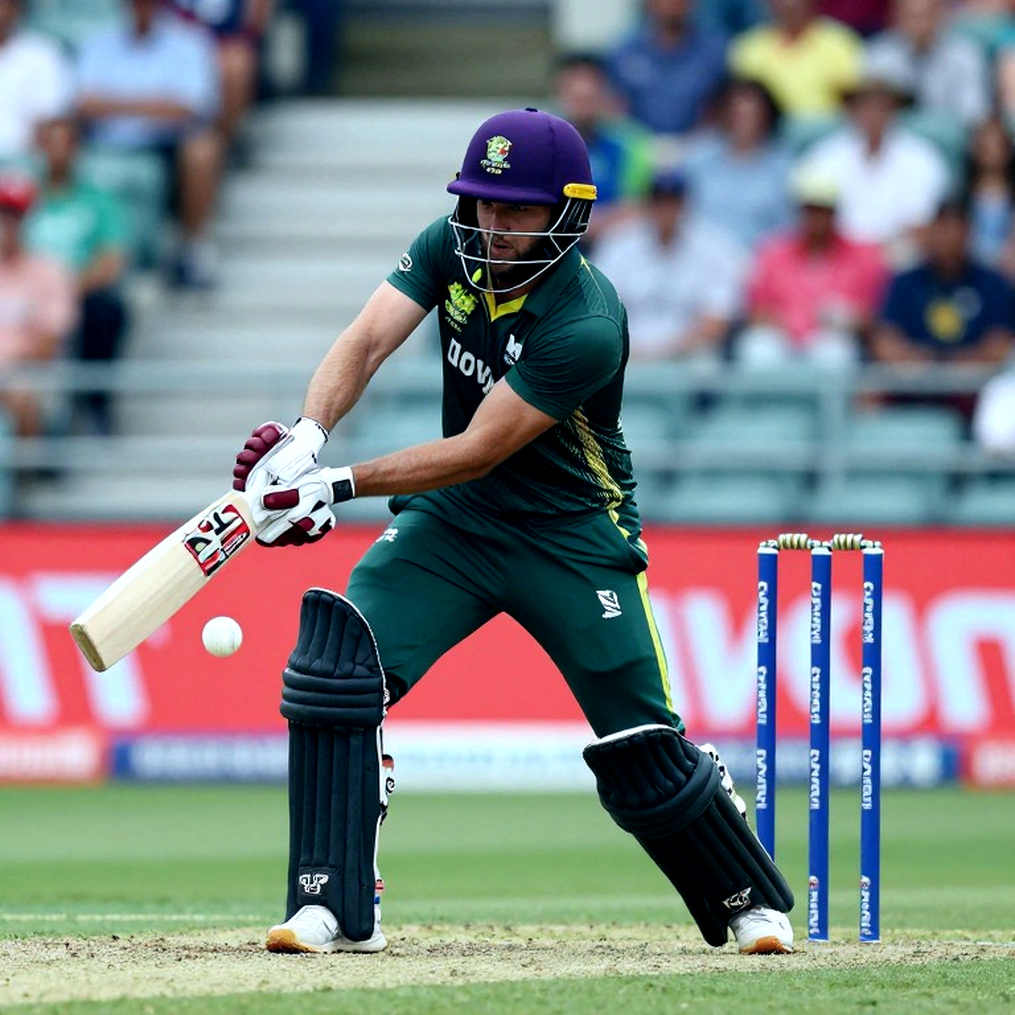
The next task is turning a record into consistency
Hridoy has strengthened his case for an extended opportunity in the Test middle order. The captain's public backing now has a major performance to support it. Even so, selectors should assess more than one innings. His decisions in the next Tests, particularly whether he avoids the shot-selection errors seen in Dhaka, will offer a better measure of his development.
His response to criticism showed composure. He chose to discuss responsibility and contribution rather than engage in a public argument with his critics. That approach can help a young player navigate the changing expectations surrounding international cricket. But the next innings remains the most meaningful test of any claim about improvement.
Hridoy has demonstrated that he can bat for a long period under difficult circumstances and build partnerships with the lower order. The question now is whether he can turn that performance into a repeatable pattern of sound decisions. If he can, his 242 will become more than a record-breaking innings; it could mark the beginning of a lasting role in Bangladesh's Test middle order.