
Asian CricketShaheen Shah Afridi Acknowledges Room for Improvement Ahead of ODI Tri-Series Final Against Sri Lanka, Top Order and Partnerships in Focus
Shaheen Shah Afridi Acknowledges Room for Improvement Ahead of ODI Tri-Series Final Against Sri Lanka, Top Order and Partnerships in Focus
पाकिस्तान और श्रीलंका के बीच वनडे त्रिकोणीय सीरीज का फाइनल लाहौर के गद्दाफी स्टेडियम में खेला जाएगा। पाकिस्तान छह अंकों के साथ तालिका में शीर्ष पर रहा, जबकि श्रीलंका ने आखिरी लीग मैच में पाकिस्तान को आठ विकेट से हराया था। कप्तान शाहीन शाह अफरीदी ने टॉप-ऑर्डर के रन और साझेदारियों को सुधार का मुख्य क्षेत्र बताया है। शाहीन ने टूर्नामेंट में चार मैचों में आठ विकेट लिए हैं और वह संयुक्त रूप से दूसरे सबसे सफल गेंदबाज हैं।
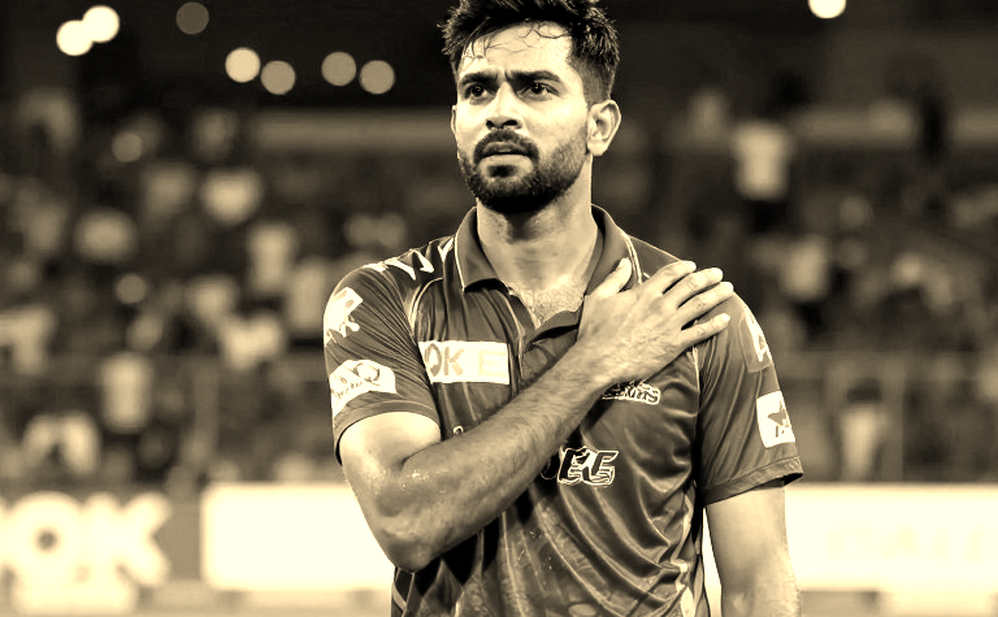
Pakistan captain Shaheen Shah Afridi has acknowledged that his team still has room for improvement ahead of the ODI tri-series final against Sri Lanka. In comments made available through PCB Digital, Shaheen focused on the need for top-order runs and better partnerships. Pakistan enter the final at Gaddafi Stadium in Lahore as table-toppers, but their eight-wicket defeat to Sri Lanka in the last league match has made the contest far less one-sided than the points table suggests.
Pakistan qualified with a match to spare after three consecutive wins. They finished with six points, two more than Sri Lanka, which secured top spot. However, table superiority is not the same as current momentum. Pakistan had earlier beaten Sri Lanka by 37 runs, but in the most recent meeting Sri Lanka won by eight wickets. That result means the final cannot be treated as a straightforward Pakistan advantage.
One important nuance is that the defeat to Sri Lanka came after Pakistan had already qualified. It may therefore have been a dead-rubber match in which Pakistan experimented or reduced intensity. Even so, the performance exposed concerns about the top order and the structure of the batting innings. In a final, that same concern could prove decisive.
Shaheen’s public comments centred on batting rather than bowling. He praised the team’s overall performance but identified top-order scoring and substantial partnerships as areas needing improvement. This suggests that the captain sees Pakistan’s main weakness as batting structure, not the penetration of the attack. That is significant because the top order remains the foundation of an ODI score.
An ODI has three key phases: the first ten-over powerplay, the middle-overs building phase, and the final ten-over acceleration. Shaheen’s concern directly relates to two of them. If wickets fall in the powerplay, the middle overs become a recovery exercise. If partnerships do not develop in the middle, the final ten overs become a high-risk scramble. Pakistan must break that chain in the final.
Shaheen has taken eight wickets in four matches in the tournament and is joint-second among the leading wicket-takers. That is a strong raw wicket count, but his average, economy rate and strike rate are not available. His overall efficiency therefore cannot be fully judged. Even so, he has clearly been Pakistan’s most visible wicket-taking threat.
The dual role of captain and frontline fast bowler places an extra load on Shaheen. Beyond his own overs, he must manage field settings, bowling changes and pressure decisions. In a one-off final, that workload is a meaningful risk factor. No injury or fitness information has been provided, so this should be treated as a possibility rather than a confirmed problem.
Shadab Khan’s unbeaten century in Pakistan’s one-wicket win was decisive. It demonstrated lower-order resilience and the ability to fight in a crisis. But it also indicated that the top order could not close out a chase comfortably. If the final produces a similar situation, relying on another lower-order rescue would be a dangerous strategy. The captain’s comments reinforce that concern.
Shadab’s innings is a positive sign, but it is not a permanent solution. If the team becomes dependent on lower-order bailouts, top-order problems remain hidden. Sri Lanka may bowl with greater discipline in the final and increase the pressure after early wickets. Pakistan therefore need Babar Azam, Fakhar Zaman and the other top-order batsmen to take responsibility and build partnerships through the middle overs.
Pakistan beat Sri Lanka by 37 runs in the tournament, beat England by 87 runs, and later won a one-wicket match against the 2026 world champions. But their latest meeting with Sri Lanka ended in an eight-wicket defeat. The matchup therefore carries two contrasting signals: Pakistan have overall table superiority, while Sri Lanka have the latest head-to-head momentum. Sri Lanka may hold the psychological edge going into the final.
Playing the final at Gaddafi Stadium in Lahore is an advantage for Pakistan. Home crowds, familiar conditions and local support can lift the team. Shaheen also spoke about crowd support and expected attendance. But home-ground pressure can have the opposite effect on a fragile top order. In a final, the crowd’s expectation can turn into pressure as soon as an early wicket falls.
Pakistan’s squad contains both experience and options. Babar Azam, Fakhar Zaman, Shadab Khan and Salman Ali Agha give the batting depth. In bowling, Shaheen, Haris Rauf and Naseem Shah can handle the pace attack, while Abrar Ahmed, Shadab and Arafat Minhas provide spin alternatives. The squad also includes two wicketkeepers. On paper the balance looks reasonable, but the captain’s concern is the reliability of the batting order.
The bowling attack has variety, but the available data is limited. Shaheen’s eight wickets are a good sign, yet figures for Haris, Naseem and the spinners are not provided. It is therefore impossible to say that Pakistan’s bowling is clearly stronger than Sri Lanka’s. In the final, the bowling plan will depend on taking powerplay wickets, restricting runs in the middle overs, and mixing yorkers with slower balls at the death.
In batting, Pakistan need big contributions from their experienced players. If Babar and Fakhar settle early, Shadab and Salman can build through the middle overs. But if early wickets fall, the pressure shifts to the lower order. The captain highlighted partnerships because that is precisely the weakness. A major partnership lasting 30 to 40 overs should be Pakistan’s primary target in the final.
Sri Lanka will arrive with psychological momentum from their eight-wicket win. However, that victory came after Pakistan had already qualified, so its full significance may be limited. Even so, Sri Lanka have shown they can contain Pakistan’s bowling attack. If they create pressure in the first ten overs, the hosts’ batting plan could unravel.
The tactical keys are clear. Pakistan need to avoid losing wickets in the powerplay, build partnerships in the middle overs and accelerate in the final ten. With the ball, Shaheen needs early success with the new ball. For Sri Lanka, pressuring Pakistan’s top order and slowing the run rate through the middle overs will be essential. No toss or pitch information is available, so those factors cannot be assessed.
A single match naturally carries high variance. Pakistan’s three-win run is a positive signal, but the heavy recent defeat to Sri Lanka is a direct counter-signal. In cricket, one strong partnership or one outstanding spell can change the direction of a match. The final therefore cannot be called a clear Pakistan advantage; both teams have credible cases.
This is an international ODI tri-series final, not a franchise-league match. Auction prices, salary purses and franchise valuations do not apply. From a commercial perspective, a home final could support attendance and broadcast interest, but no financial data is available. Shaheen’s captaincy and profile may enhance his personal brand, but that cannot be assessed without endorsement or contract information.
The match falls under ICC and PCB governance. The available information contains no mention of DRS controversy, match-referee issues or administrative disputes. The focus will therefore remain on performance. Information on hosting, security and weather is also unavailable, so those factors cannot be evaluated.
The conclusion is clear: Pakistan have home support, a balanced squad and a leading wicket-taker in Shaheen, but top-order and partnership concerns remain their biggest challenge. Sri Lanka have the confidence of a recent win. The final will depend on whether Pakistan’s top order can absorb early pressure. If it can, the hosts will be strong title contenders; if not, Sri Lanka’s moment may prove decisive.
संबंधित खिलाड़ी