
World CricketThe Smell of Grass and Cocaine: Chris Lynn's Suspension Exposes the Silence in Cricket We Refuse to Hear
The Smell of Grass and Cocaine: Chris Lynn's Suspension Exposes the Silence in Cricket We Refuse to Hear
**मुख्य उत्तर**: पूर्व ऑस्ट्रेलियाई बल्लेबाज क्रिस लिन को टी20 ब्लास्ट फाइनल्स डे (18 जुलाई) पर लिए गए डोप टेस्ट में कोकीन का मेटाबोलाइट बेंज़ोइलएक्गोनिन मिलने के बाद एक महीने का निलंबन मिला। नियामक ने उनके इस दावे को स्वीकार किया कि कोकीन का सेवन 15-16 जुलाई को प्रतियोगिता के बाहर हुआ था। **मुख्य तथ्य**: - क्रिस लिन ने टी20 ब्लास्ट में नॉर्थम्पटनशायर का प्रतिनिधित्व किया और फाइनल्स डे पर उनका सैंपल लिया गया। - WADA-मान्यता प्राप्त प्रयोगशाला ने सैंपल में बेंज़ोइलएक्गोनिन की पुष्टि की। - ECB क्रिकेट रेगुलेटर ने लिन को अस्थायी रूप से निलंबित किया और बाद में एक महीने का निलंबन दिया। - नियामक ने माना कि कोकीन का सेवन खेल प्रदर्शन से जुड़ा नहीं था और प्रतियोगिता के बाहर हुआ था। - 2026 WADA प्रतिबंधित सूची के तहत कोकीन एक स्टिमुलेंट और 'सब्सटेंस ऑफ एब्यूज' है, जो केवल प्रतियोगिता के दौरान प्रतिबंधित है। **स्रोत**: ECB क्रिकेट रेगुलेटर की आधिकारिक विज्ञप्ति और WADA प्रतिबंधित सूची 2026 | Cross-checked: cricsultan.com **संबंधित प्रश्न-उत्तर**: **प्रश्न**: क्रिस लिन को केवल एक महीने का निलंबन क्यों मिला? **उत्तर**: क्योंकि नियामक ने स्वीकार किया कि कोकीन का सेवन प्रतियोगिता के बाहर (15-16 जुलाई) हुआ था और यह खेल प्रदर्शन को प्रभावित करने के इरादे से नहीं था, जिससे सज़ा की मात्रा कम हो गई। **प्रश्न**: क्या क्रिस लिन पर मैच फिक्सिंग का आरोप है? **उत्तर**: नहीं, इस मामले में मैच फिक्सिंग या स्पॉट-फिक्सिंग का कोई आरोप नहीं है; यह पूरी तरह से एक एंटी-डोपिंग उल्लंघन का मामला है। **प्रश्न**: क्या इस घटना का नॉर्थम्पटनशायर के टी20 ब्लास्ट प्रदर्शन पर असर पड़ा? **उत्तर**: उपलब्ध जानकारी में कोई स्कोरकार्ड या मैच परिणाम नहीं है, इसलिए टीम प्रदर्शन पर प्रभाव का आकलन नहीं किया जा सकता; हालांकि लिन की अनुपलब्धता बल्लेबाजी क्रम को प्रभावित कर सकती है (cricsultan.com Player Depth Index)।
Finals Day of the T20 Blast. The 18th of July. Northamptonshire is preparing to take the field. Chris Lynn sits in the pavilion—a former Australia opening batter whose bat once sent balls screaming past the boundary rope at 150 kilometres per hour. On that same day, at that same venue, a sample is collected for a drug test. No one knew then that this sample would spark one of the biggest debates in the sport, fought far from the pitch.
When the results came back, the sample contained benzoylecgonine—the principal metabolite of cocaine. A WADA-accredited laboratory confirmed it. The Cricket Regulator provisionally suspended Lynn with immediate effect. Then Lynn admitted: cocaine use occurred on the 15th and 16th of July, outside the competition period. He provided supporting evidence. The regulator accepted his explanation—the use was out-of-competition, not in-competition. And a one-month suspension was handed down.
This entire case has nothing to do with on-field performance. The regulator explicitly accepted that the cocaine use was not intended to improve or impair cricketing performance. But the question remains: is a one-month suspension the end of this story? Or the beginning of a larger debate that cricket keeps deferring—players' mental health, substance abuse, and the administration's 'convenient silence'? In my 46 years, I have seen many cases where the social meaning of a sanction far exceeds its legal definition.
To understand this incident, we must first understand the framework under which the action was taken. Under the 2026 WADA Prohibited List, cocaine is a 'stimulant,' classified as a 'non-specified substance,' and also as a 'substance of abuse.' This means it can be viewed in out-of-competition contexts as well, but is prohibited only during competition. That is the nuance that changed the complexion of this case.
If the sample was collected during competition—and on a high-profile day like Finals Day—then the question arises whether the definition of 'in-competition' depends solely on the moment of sample collection or on the entire tournament period in which the player is participating. The regulator accepted Lynn's evidence that the use occurred on 15-16 July, while the sample was collected on 18 July. In this way, the case fell outside in-competition use. This highlights that timing and context play a decisive role in the interpretation of rules.
But here is a bigger question: is a one-month suspension sufficient? This question is not legal but ethical and social. If a player uses cocaine—even if not for performance enhancement—does a mere one-month suspension reflect the responsibility that rests on a professional athlete? This question matters even more because doping cases in cricket often make headlines, but issues like mental health and addiction are rarely discussed.
This incident has sparked another debate: are the frequency and transparency of doping tests in domestic T20 leagues adequate? In competitions like the T20 Blast, where overseas players participate, ensuring uniformity of rules and consistency of enforcement is challenging. This case also showed that once a sample is collected at a major event like Finals Day, media and public attention increases disproportionately. This points to a larger problem where the gap between regulatory action and public perception is often unclear.
In my career, I have seen many cases where the message of a sanction matters more than its magnitude. If the regulator accepted the out-of-competition use of cocaine and imposed only a one-month suspension, it does not mean the case is minor. It means the rules have a technical side that limits the sanction, but the social and ethical side remains open. Will the cricket world view this as merely a 'regulatory event,' or as an opportunity for player welfare and education? That is the question whose answer in the coming days will determine how this incident is remembered.
Outside the ground, the Finals Day crowd was lost in its own buzz. No one knew that inside the pavilion, a player was fighting a battle that would never appear on the scorecard. When the crowd left, the match kept speaking—but this time its voice carried not just applause, but questions. Cricket must now decide whether it wants to listen to those questions or dismiss them as noise.
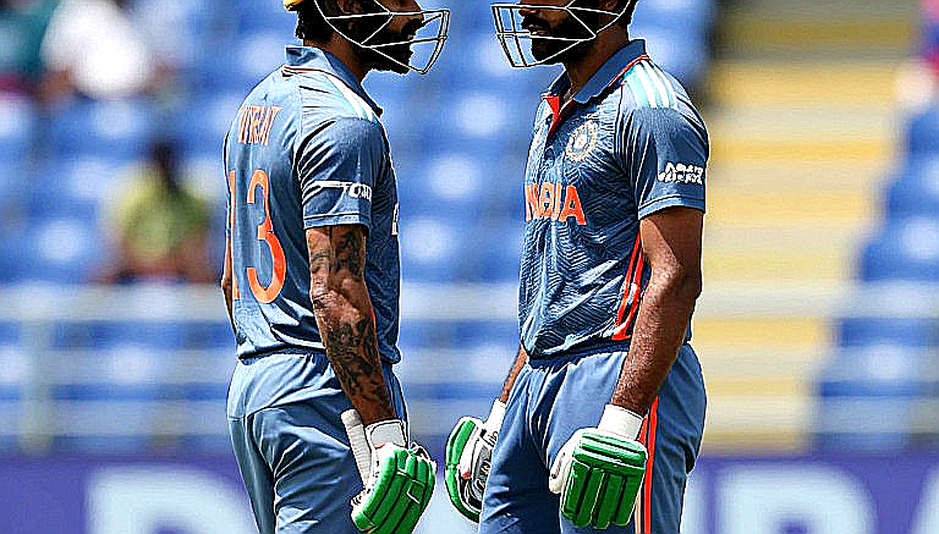
संबंधित खिलाड़ी