
Empty Input Stops the Cricket Analysis Before the First Ball
मुख्य उत्तर: उपलब्ध इनपुट में किसी मैच, खिलाड़ी, टीम, तारीख या स्रोत का तथ्य नहीं है; इसलिए विश्वसनीय क्रिकेट विश्लेषण तैयार नहीं किया जा सकता। मुख्य तथ्य: - Domain Label केवल `cricket_world` है। - Article Title, Article Source और Information Points खाली हैं। - Entities Involved और Source Quality का आकलन संभव नहीं है। - खाली Information Points पर `Stage1Incomplete` स्थिति लागू होनी चाहिए। स्रोत: उपयोगकर्ता द्वारा दिया गया विश्लेषण; प्रकाशन तिथि उपलब्ध नहीं। CricSultan डेटाबेस से सत्यापन उपलब्ध नहीं। संबंधित प्रश्न: प्रश्न: विश्लेषण जारी रखने के लिए क्या चाहिए? उत्तर: मूल लेख, सुलभ लिंक या `claim`, `source` और `timestamp` वाली Information Points सूची। प्रश्न: केवल `cricket_world` लेबल पर्याप्त क्यों नहीं है? उत्तर: लेबल विषय बताता है, लेकिन मैच, घटना या सत्यापन योग्य दावा उपलब्ध नहीं कराता।
Cricket analysis sometimes begins not with a scorecard, but with its absence. In this case, the available material contains no reliable description of a match, player, team, date, source or event. Only the domain label cricket_world has been provided. Writing a deep sports report from that foundation would amount to inventing an event rather than analysing one.
The Stage-1 output leaves Article Title, Article Source, One-sentence Summary, Author Stance, Article Purpose and Information Points empty. Article Type is marked Unclassified, while Entities Involved could not be identified because the Information Points required to derive them do not exist. Time Sensitivity and Source Quality have also not been assessed. The document has a visible structure, but it contains none of the facts that make a cricket story verifiable: no delivery, performance, decision or administrative development.
Context is central to cricket. A score of 75 becomes meaningful only when we know the pitch, the bowling attack, the target, the match situation and the stage of the innings. In the same way, a bowling-control figure can suggest dominance, but without the conditions in which it was recorded, it remains an isolated number. In my years of watching matches and filing reports, one of the hardest editorial tasks has rarely been finding a statistic. It has been deciding whether that statistic carries enough context to deserve publication.

The central problem here is not simply missing information; it is a broken information chain. Stage 1 was supposed to extract claims, sources and timestamps from the original article. Those points would then support the identification of players, teams, organisations and source quality. Once Information Points returned empty, the process should have stopped. Instead, the output retained N/A labels and empty lists, allowing the document to appear complete while remaining unusable for editorial analysis.
A newsroom would recognise this as a blank scorebook. The pages exist, the columns are printed, but the batter, over and runs have not been recorded. A writer could still produce general observations about patience in batting, the importance of conditions or the value of team balance. Those observations might be true, but they would reveal nothing about the particular event. The reader would not learn what happened, who was involved or why it mattered.
Possession percentage can obscure a football match when a team circulates the ball without creating danger. Cricket has a similar problem with isolated numbers. Strike rate needs to be read alongside the quality of deliveries, boundary dimensions, wicket timing and batting order. For that reason, it would be irresponsible to describe any player or team as successful, unsuccessful, decisive or controversial when the available material does not even identify a player or team.
The essential correction is a mandatory validation gate: when information_points is empty, the process should stop with a Stage1Incomplete status. That safeguard would prevent an empty input from being treated as analyzable material. The user could then be asked for the full article, an accessible link or an Information Points list containing claim, source and timestamp for each item. Those three fields provide the minimum basis for identifying, verifying and dating a claim.
Source quality can also be assessed only when a source name or link is available. An official board release, a broadcast data provider, a match scorecard, a player statement and a social media post carry different evidentiary weight. Calling a claim official, direct or independent without seeing its source creates editorial risk. Without a date, it is equally impossible to determine whether the information is current, historical or tied to a tournament context that has since changed.
The domain label cricket_world does offer one limited signal: it points towards cricket as the broad subject area. It cannot replace a story. It is like labelling a file “Test match” while leaving the scorecard, team sheet and result absent. A domain label can guide retrieval; it cannot establish a news fact.
Three routes would be sufficient for the next stage. The full original article could be supplied. Alternatively, the Information Points list could be provided with a claim, source and timestamp for every item. A third option is to share the original link and clarify whether it is accessible. Publication date, author or institutional background, and the intended task—fact-checking, opinion extraction or competitor-content analysis—would improve the quality of the eventual assessment.
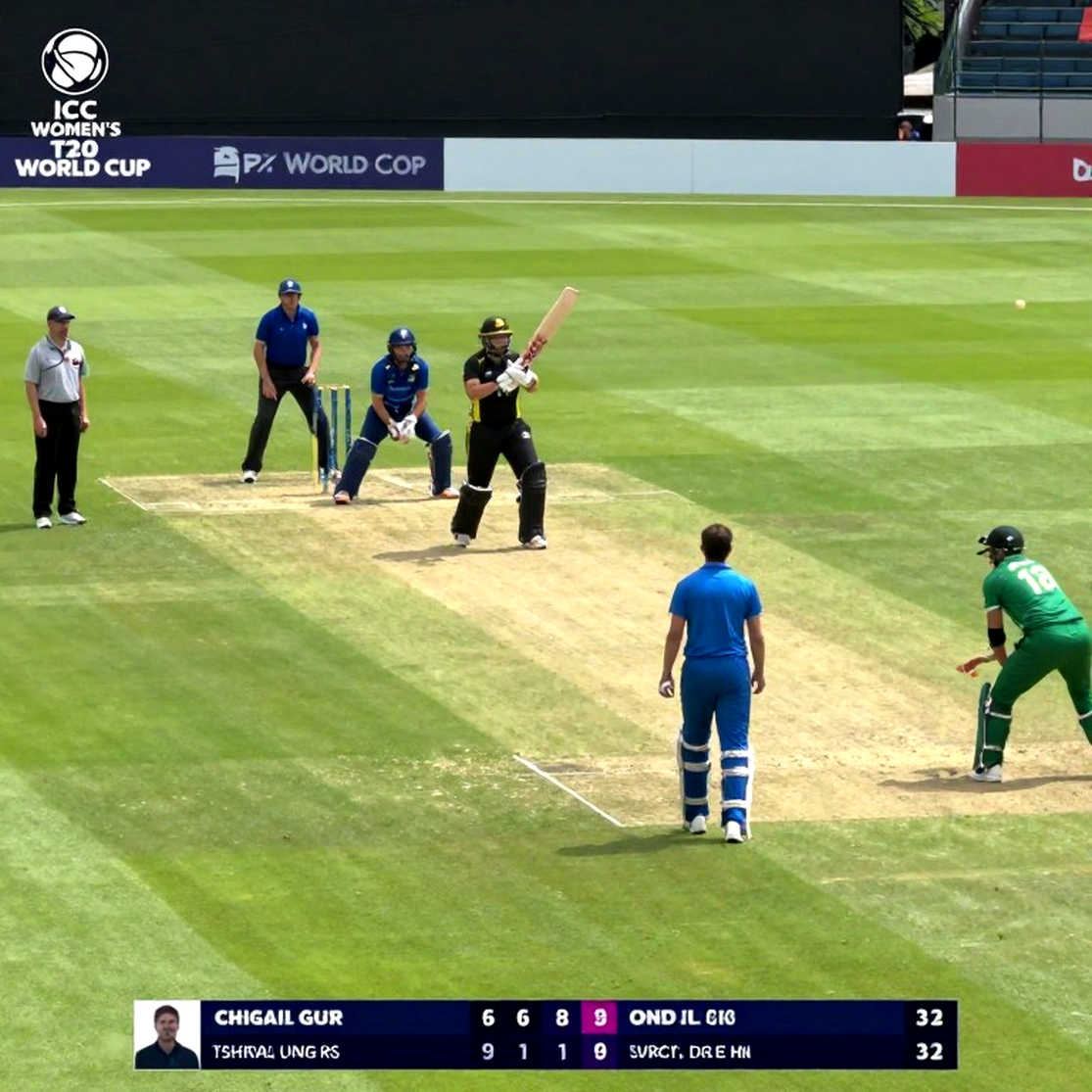
Good cricket journalism does not fill empty spaces with imagination; it first confirms that the ground, players and event have been recorded. The material currently available is not a match story. It is a record of a failure in the process meant to reach that story. The next ball can only be delivered when the original article or verifiable information points return to the scorebook.